
The Choice to Continue
The ClimbThis flow traces how personal ambition and guide authority collide as climbers face signs that their strength is failing.
increasing Bearing strength in each event
 decreasing
Bearing strength in each eventdecreasingAmbition Meets Warning
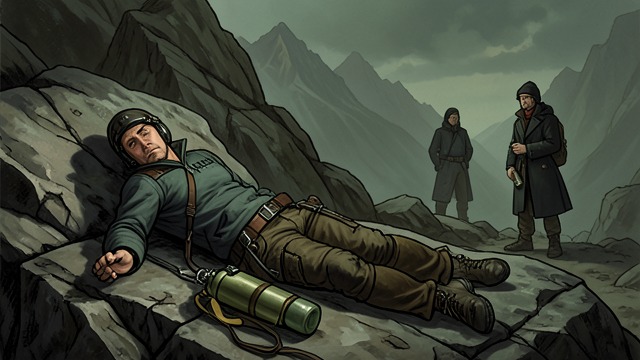
Ambition Meets Warning
Physical Evidence
A body on the route and several cases of altitude sickness remind clients that a summit can be fatal.
Individual Response
Some climbers absorb the warning, while others interpret perseverance as proof they can continue.
Kruse Turns Down
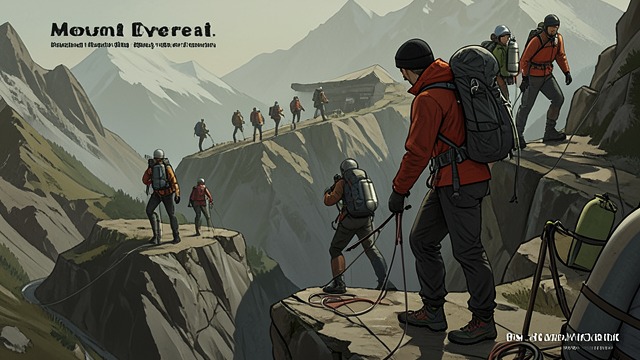
Kruse Turns Down
Deterioration
Dale Kruse becomes apathetic and unsteady at Camp III, and Anatoli Boukreev urges a descent.
Intervention
Scott Fischer joins the effort and escorts his friend down, showing that a guide can override a client’s immediate summit ambition when danger becomes unmistakable.
Schoening’s Capacity
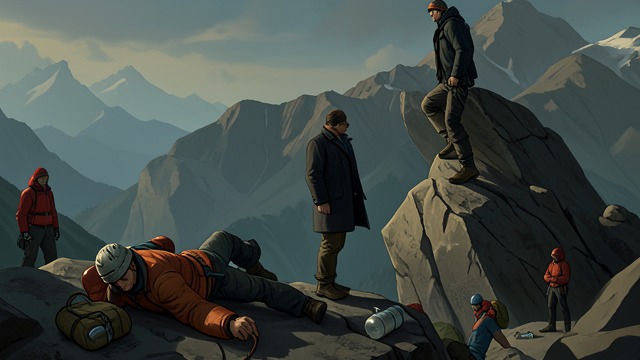
Schoening’s Capacity
Concern
Anatoli Boukreev worries about Pete Schoening’s age, altitude symptoms, and reliance on oxygen for sleep.
Unsettled Judgment
Scott Fischer believes Schoening can continue and expects to reassess him higher up, leaving the tension unresolved until the final push.
Hall and Hansen
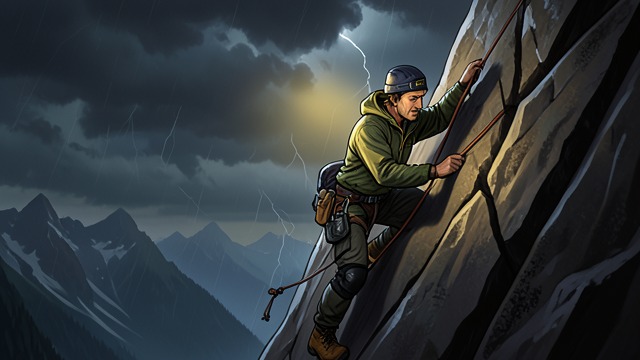
Hall and Hansen
Continued Ascent
Doug Hansen, who had once turned back, continues toward the summit with Rob Hall despite the late hour.
Unanswered Motive
The book notes the unresolved question of whether Hall encouraged him and why a careful guide allowed the climb to continue.
After the Summit
After the Summit
Responsibility Reconsidered
Survivors debate how much clients should decide for themselves and when guides must impose a turnaround.
Shared Risk
The crisis exposes a conflict between purchased guidance and the climber’s continuing responsibility for personal judgment.
April 1996 at Camp II and Camp III
April 28–29, 1996
April 1996 at Camp II
May 10, 1996, late afternoon
after May 10, 1996
